
Escaping the Crowds During Shoulder Season
Summer travel often means big crowds, high prices, limited availability, crowded airports…because summer is the peak travel season for most of the world. The same can be said about holiday travel - it’s wonderful to get away in the winter, but it can come with some downsides.
If you’re looking to avoid big crowds and inflated prices for your next trip, you should think about traveling during shoulder season. What is shoulder season? It’s the magical time when destinations are between their high and low season - meaning fewer crowds, better availability for hotels, flights, and more, but still with pleasant weather and plenty to do. For the most part, shoulder season is March through May and September through November, though this can vary somewhat by destination.
Some of the Primary Benefits of Shoulder Season Travel:
Value for Your Investment: Traveling during shoulder season offers a great value where you can enjoy all the amenities without the crowds. Luxurious accommodations, fine dining, and immersive activities are more accessible during the shoulder season, allowing you to truly maximize the value of your investment.
Personalized Experiences: With fewer travelers vying for attention, you'll be treated to unparalleled personalized experiences. Imagine savoring a private wine tasting with a sommelier, embarking on bespoke guided tours through historical sites, and relishing in culinary creations tailored to your every preference.
Tempered Climates: Shoulder season travel offers the perfect climate for leisurely explorations, whether you're strolling through charming streets or unwinding by the azure waters of a tranquil beach.
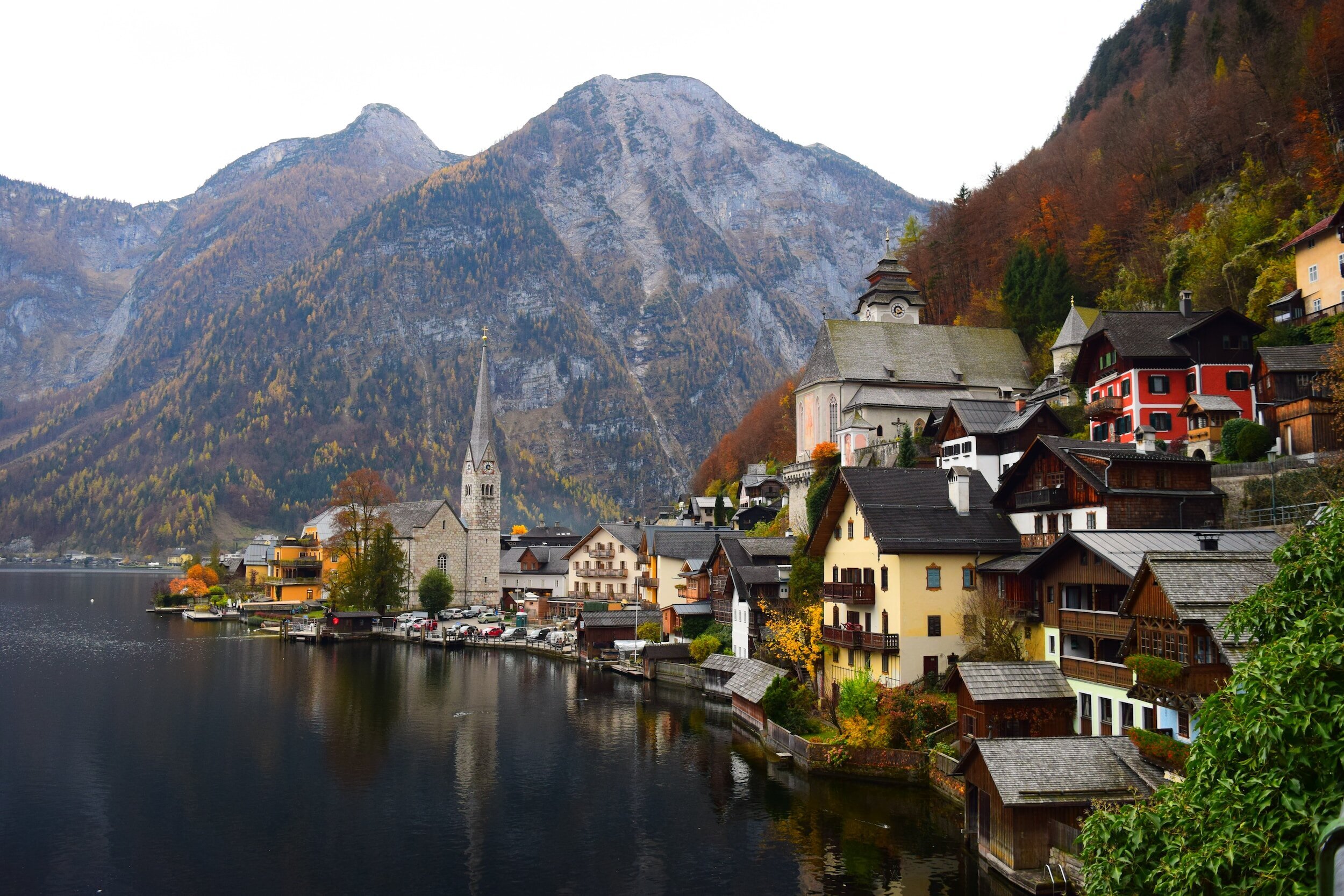
Unhurried Landscapes: Nature's beauty is magnified during shoulder season, as landscapes transition and transform. Wander through blooming gardens, stroll along golden-hued forests, or witness the serene dance of falling leaves – all without the hustle and bustle of peak tourist periods.
Seamless Reservations: Say farewell to booking battles and long waiting lists. During shoulder season, you'll have your pick of the finest dining establishments, entertainment venues, and activities, all without the stress of overcrowded reservations.

Shoulder season is ideal for travelers with a lot of flexibility for when they can travel. It also requires a little flexibility in your mindset. Visiting Greece during the Spring means five-star resorts at lower prices and no crowds - but it also means 65-70 degree weather that might not be quite your idea of beach weather. Some beach clubs and resorts may not even be open yet at some destinations (the Greek Islands often start opening up in late April and early May) so you’ll have to compromise somewhat on your experience if you were hoping for a hot and sunny island-hopping trip. I was in Paros and Mykonos in early-mid May and experienced first-hand the benefits of shoulder season. The narrow city streets were not crowded and it was easy to wander around the shops and cafes with few tourists (and drop in for dinner without a reservation). But it was a bit cool and windy so lounging on the beach was not an option - I had one day of minimal wind and lots of sun so managed to get some pool time that day!
While Spring and Fall are wonderful times to visit Europe, shoulder season benefits extend around the world.
In the Southern Hemisphere you can take advantage of shoulder season - since the seasons are flipped south of the Equator, you’ll still have the same opportunity to travel in Spring or Fall to destinations such as Australia, Peru, Chile, Argentina, or Brazil. It’s a great time to visit the popular tourist spots since you’ll see fewer people in the urban hubs and top sightseeing destinations.
Southeast Asia is also great to visit in the Spring (March-May): the temperatures are warm, it’s not too rainy, and you'll miss the high season crowds. Visiting in the Fall is less ideal, however, as you may encounter rainy conditions.
If you’re thinking about embarking on an African Safari but want to avoid higher prices and more crowds, schedule your trip May-June or October-November. Keep in mind that you may not see as much wildlife as during the peak season, but you will still have an incredible safari experience.
As we transition from Summer into Fall, it might be a perfect time to start thinking about planning a trip for next Spring to one of these destinations…or even for Fall 2024. Once you travel during this time, you won’t want to go back to high season travel!