Highlights of Southeast Asia - Part One
Exactly four years ago this week, I touched down in Hong Kong. It was my first time in Asia and I planned to spend the next 3.5 months traveling through Southeast Asia, following a traditional backpacker route through Thailand, Laos, Vietnam, Cambodia, and Malaysia.
Hong Kong would be my starting (and ending) destination and, while some of the trip was planned out in the beginning, much of it was a loose itinerary designed to explore a part of the world I had long wanted to visit.
In the end, I only sort of followed this plan :)
After two months of travel, I visited Koh Tao, Thailand and fell in love with scuba diving. I skipped my scheduled flight home at the end of February and lived in Koh Tao for four months. I never made it back to Hong Kong, but I did manage to squeeze in trips to Indonesia and Seoul before returning to the US.
I saw most of what I wanted to see in Southeast Asia, and I really came to love this region of the world. It tends to be somewhat less popular among US travelers, likely due to the distance and time change which can make it difficult for a quick vacation. But if you have the time and the interest, Southeast Asia is a place worth visiting again and again. Today’s focus is on the ‘central part’ of Southeast Asia - hopefully this intrigues you to consider traveling to one of these destinations in the near future. I would love to help you plan a trip to this region, to share my own experiences with you, and (especially) share my food tips :) As always, working with me can get you access to unique experiences and on-the-ground travel support that you can’t get on your own - I’ve included a taste of this below! .
Generally speaking, the best time of year to visit this part of Southeast Asia is during the winter and early spring (November - March) while temperatures are cold in most of the US and generally warm and dry weather is found in these countries. So this is a perfect time to start planning your trip for next winter!
Thailand
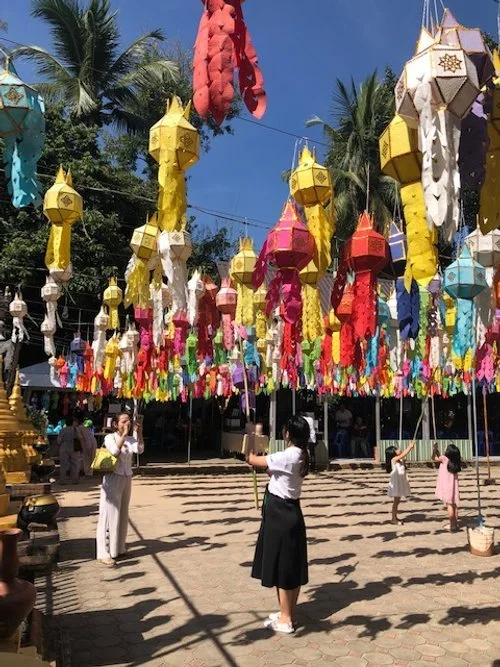
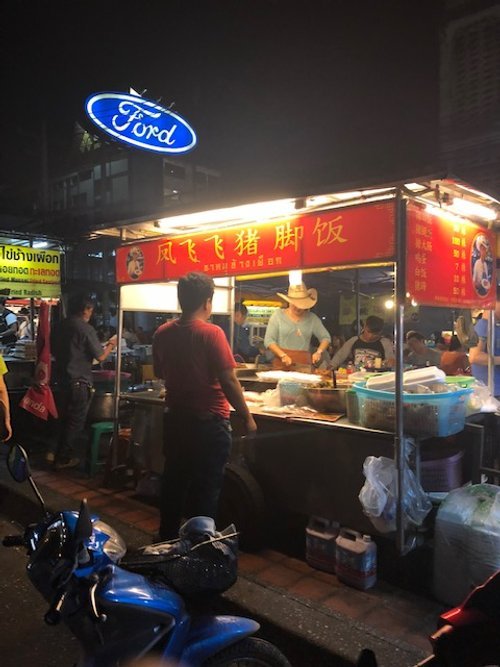
Why Visit: This is probably one of the most popular countries to visit among Americans (and Europeans). There is a wide variety of places to visit and activities available to suit all sorts of travelers. The tourism infrastructure is quite strong so it’s generally easy to get around Thailand. Bangkok is an easy city to fly in and out of and, despite how hectic and noisy the city can feel, it is totally worth experiencing for a few days.VIsit the Night Bazaars in Bangkok and Chiang Mai and soak it all in.
Highlights:
You can’t miss the sights, sounds, and smells of Bangkok - visit grand temples and palaces, eat curbside at the hawker stalls around the city, and consider using the excellent metro system to get around. Visit the city’s Chinatown for some incredible food experiences.
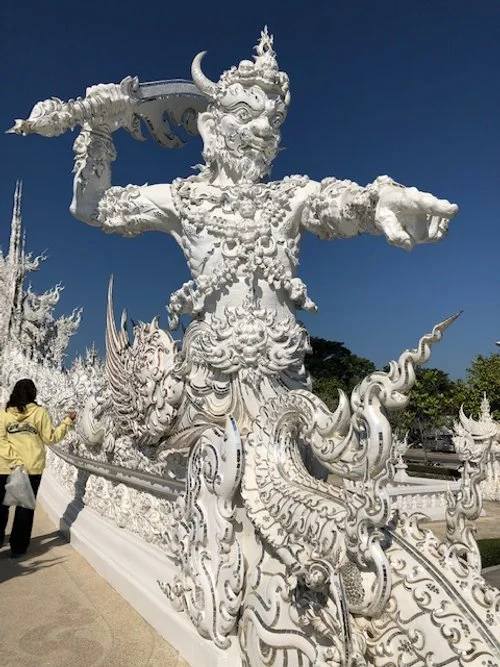
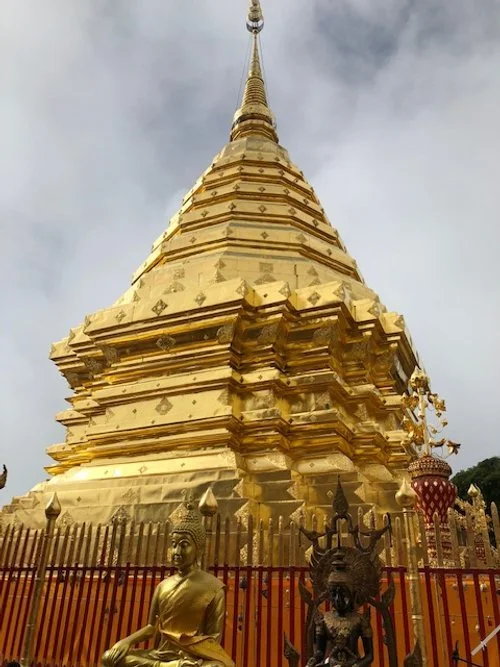
In the north, immerse yourself in Chiang Mai - temples, hiking in the mountains and incredible views, and a relaxed vibe you won’t find in Bangkok. Or travel even further north to Chiang Rai in the Golden Triangle where Thailand, Laos and Myanmar meet, an area known for its luxury camp accommodations in close proximity to the Mekong River.
And if it’s beaches you are after, Thailand has some of the most beautiful beaches and islands anywhere. You will feel instantly in paradise in the Samui Islands or Andaman Islands.Snorkeling, scuba diving, sailing - you can do all of these in the crystal blue waters surrounding the islands.
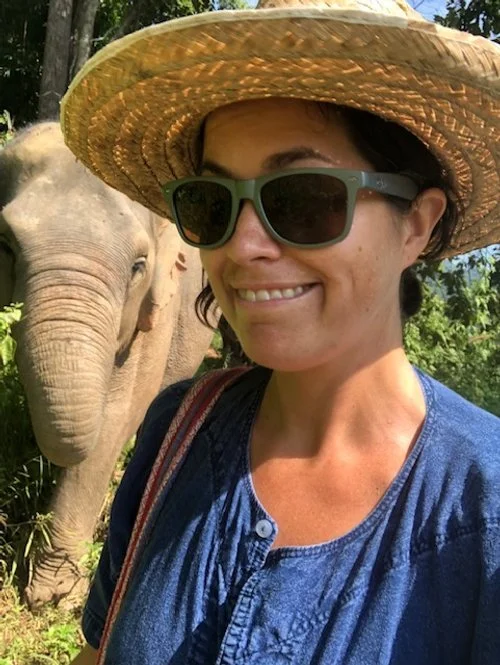
Unique Experiences: Guided tours of popular temples and palaces with knowledgeable local guides who can get you there at less busy times. Observe a blessing ceremony and chanting of the monks in Chiang Mai. Spend a day feeding and bathing elephants - the least harmful way to interact with these amazing creatures within reputable sanctuaries.You will never forget taking a hike with an elephant, believe me!
Best time to go: November - March with cooler weather in the North Dec-Feb
Stay: Four Seasons Tented Camp Golden Triangle in Chiang Rai - an intimate resort with just 16 rooms tucked away in Northern Thailand. A perfect place to escape for a few nights in luxury tented accommodations and sunset views over the Ruak River.
Vietnam
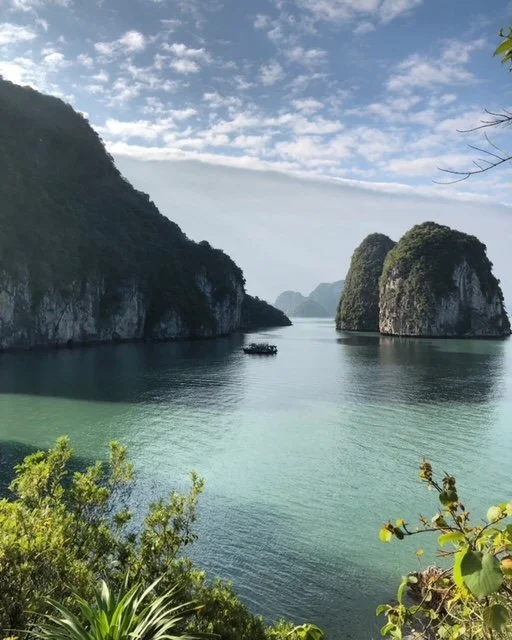
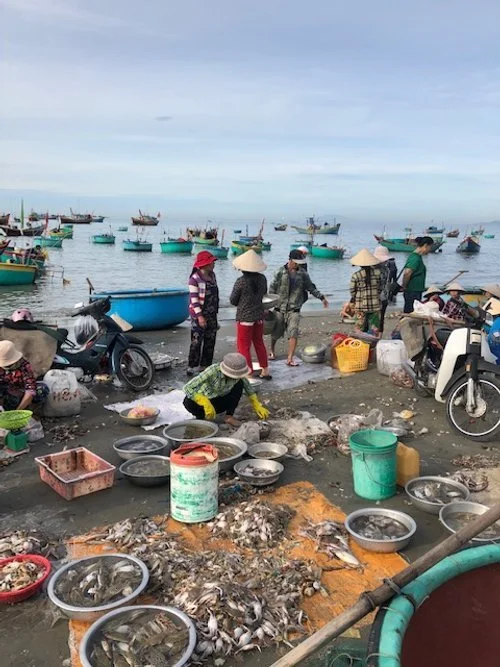
Why Visit: History and cultural heritage. Food. Stunning, diverse landscapes from North to South and one of the longest coastlines in the region. Friendly people. Like Thailand, its cities can feel hectic and noisy, but getting out into the country, whether on the beaches or in the mountains, offers a respite from the hustle and bustle. I can help you plan an itinerary that blends city exploration with more relaxed experiences in nature
Highlights:
Travel the country from North to South to really see how unique the different regions are, taste the foods native to each region, and experience the incredible beauty of this country.
Hanoi and Ho Chi Minh City offer totally different urban experiences, culture, and history. Travel to Sapa and hike in the mountains for views of lush rice paddies as far as you can see.
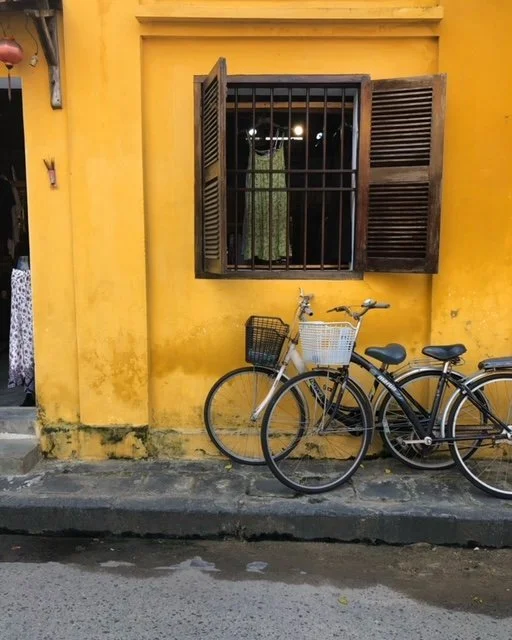
Visit the very charming Hoi An for a bit of quiet - bike tours can take you around the rice fields and towards the beaches before you watch the sunset over the river with a glass of champagne. And in the South, you can have an intimate tour of the Mekong Delta and its floating markets and fruit farms.
Unique Experiences:
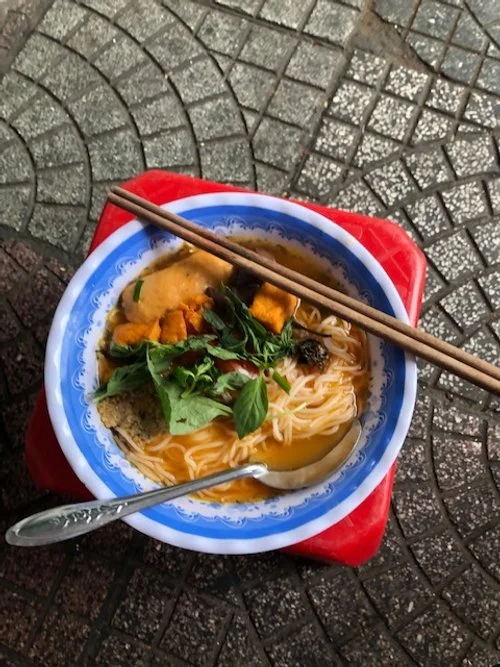
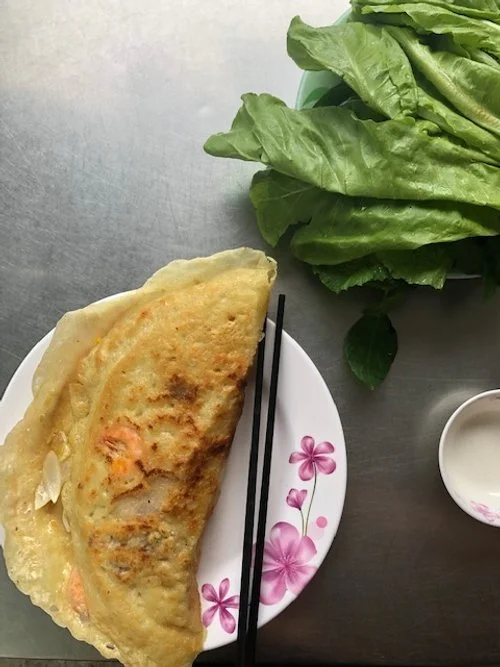
One of my favorite things to do in Vietnam is eat. And taking food tours throughout the country offered a glimpse into the unique ways of life and food traditions in the northern, central, and southern parts of Vietnam. Enjoy an interactive family home meal to learn more about Vietnamese cuisine - with a celebrity chef in Hanoi
If you love history, let me pair you with a local history and culture scholar who can give you an overview of Vietnamese history and take you to some of the most historic and celebrated sites in Hanoi.
And for adventurers, there’s plenty of hiking, biking and water sports to partake in throughout the country (in some of the most incredible settings)! Stay in a homestay in Sapa and explore the Hmong villages and markets nearby
Best time to go: Between March and Mid-May, rainfall is less likely and you’ll see mild temps. The North has dry winters Dec-Feb and can get fairly cold (39F - especially if you want to go into the mountains!), but Central and Southern Vietnam is relatively pleasant and warm at that time.
Stay: Anantara Hoi An, less than a kilometer from the historic and charming town center and located along the Thu Bon River. Recharge from the day’s activities at the hotel’s luxurious spas or on your balcony’s daybed.
Cambodia
Why Visit: If you’re into history, you’ll find a lot to learn in Cambodia - weather the ancient Khmer culture in Siem Reap or learning about more recent tragedies in Phnom Phen when visting the Genocide Museum and Killing Fields - this can make for an emotional day of traveling, but it’s incredibly powerful to visit these places and better understand this country’s recent history and lasting impact on its people.
Highlights:
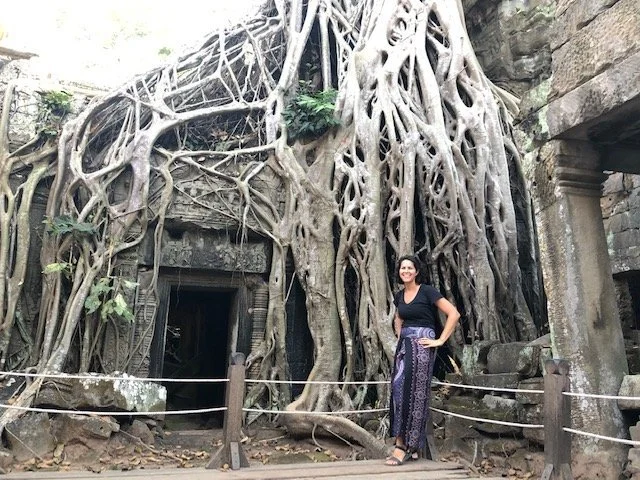
The temples of Angkor fall high on my list of tourist attractions that are not overrated. While they can be busy and crowded, I can hook you up with a local guide that offers a more private and personalized tour of this temple complex. And it is a complex - there are so many temples on the grounds you can’t see them all in one day. But with a trusted local guide, you will be able to see some of the more unique (and less crowded) sites and learn more about Khmer history.
Balance your temple time with a few days on the beaches along Cambodia’s southern coast and soak up the beauty and some sun. Visit the island of Koh Trong where you can get a glimpse of typical Cambodian village life cycling around on your own.
Unique Experience: While in Siem Reap, take a break from temples and visit Tonlé Sap Lake, the largest freshwater lake in Southeast Asia which extends to four times its size in the rainy season. Board a local boat and visit Kampong Phluck, a village where there are still houses on stilts that are submerged when Tonlé Sap Lake extends. On the way, pass by floating houses and impressive flooded forests, portraying life on the water.
Best time to go: November to March due to less humidity and rainfall. If you want to avoid the crowds at Angkor, consider going at the beginning or end of the rainy season (May-June and October-November).
Stay: Amansara Siem Reap, a sanctuary just outside the sacred temples of Angkor and on the outskirts of Siem Reap. There are 24 suites in this property, a former guesthouse of King Norodom Sihanouk. Each suite has private courtyards and half have private pools.
Laos
Why Visit: Laos has only been open to Western tourists since 1988 (following the bombings of the 1970s - Laos was the most bombed out country in SE Asia, ahead of Cambodia and Vietnam). The tourism infrastructure is not as strong as you will find in the other SEA countries I’ve mentioned so it’s important to work with a travel advisor who can help you navigate your trip to Laos. This is also a destination that can be included as part of a trip to any of the other countries I mentioned.
Highlights:
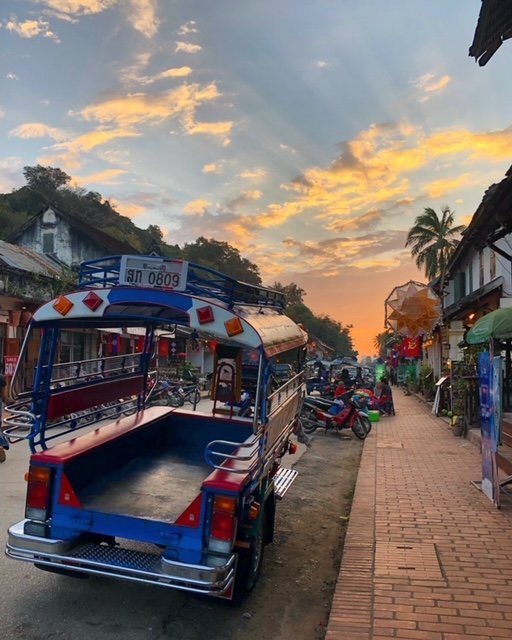
Luang Prabang is one of the most beautiful and charming cities I have visited in Southeast Asia. The entire city is a UNESCO World Heritage site and the influence of French colonists is quite strong. There are beautiful French Colonial buildings throughout the city and very nice accommodations available for your stay.
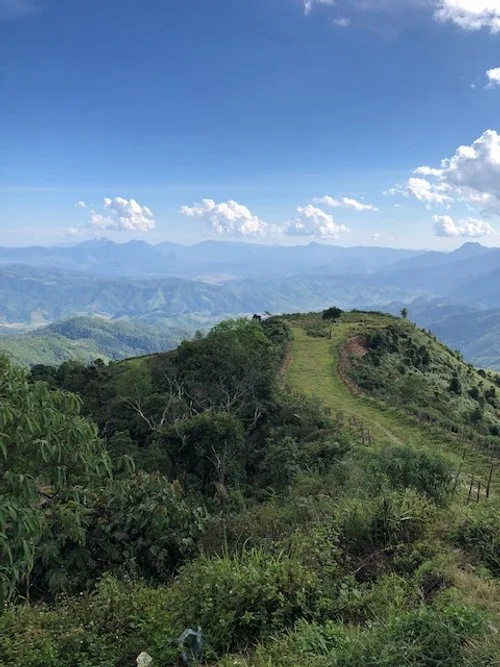
Travel through the stunning countryside as you travel north to south towards the charming capital, Vientiane, and then out towards the Mekong’s smaller and more tranquil towns such as Pakse.
Unique Experiences:
Get up before the sun to watch the monks collect alms from the local residents in Luang Prabang. It’s a quietly beautiful tradition that highlights the spiritualism of the Lao people. You can also have the pleasure of participating in a Baci ceremony, a traditional Lao ceremony to welcome guests or to celebrate weddings and births.
If you’re an adventurer, consider kayaking on the Mekong while you’re in Luang Prabang or rock climbing or trekking in Vang Vieng.
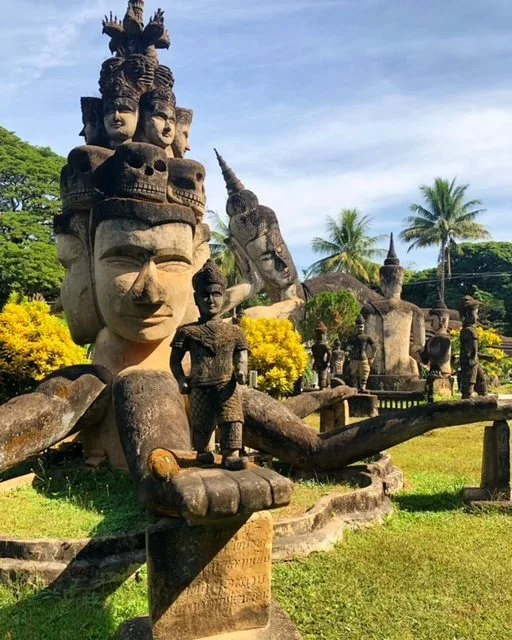
For a unique morning adventure, travel with a private guide to Vientiane’s Buddha Park and stroll around the unusual grounds filled with Buddhist and Hindu statues.
Best time to go: November through April is cool and dry with the most pleasant weather between November and January (and lots of festivities are also happening at this time!)
Stay: La Residence Phou Vao, A Belmond Hotel - the only hotel built on Phou Vao Hill - offers stunning panoramic views looking out over the countryside. Relax at the infinity pool, bike into the city with a picnic, or indulge in an herbal steam at the hotel’s luxury spa.
Depending on your interests, time, and travel desires, I can craft a custom itinerary with one or more of these countries included. Working with partners based in Asia, we will build in immersive, cultural experiences that you can’t find on your own and work with guides who can get you to the most popular tourist spots at the right times (or to the off-the-beaten path experiences you didn’t know existed)!