
Singapore is Not Just a Stop Over
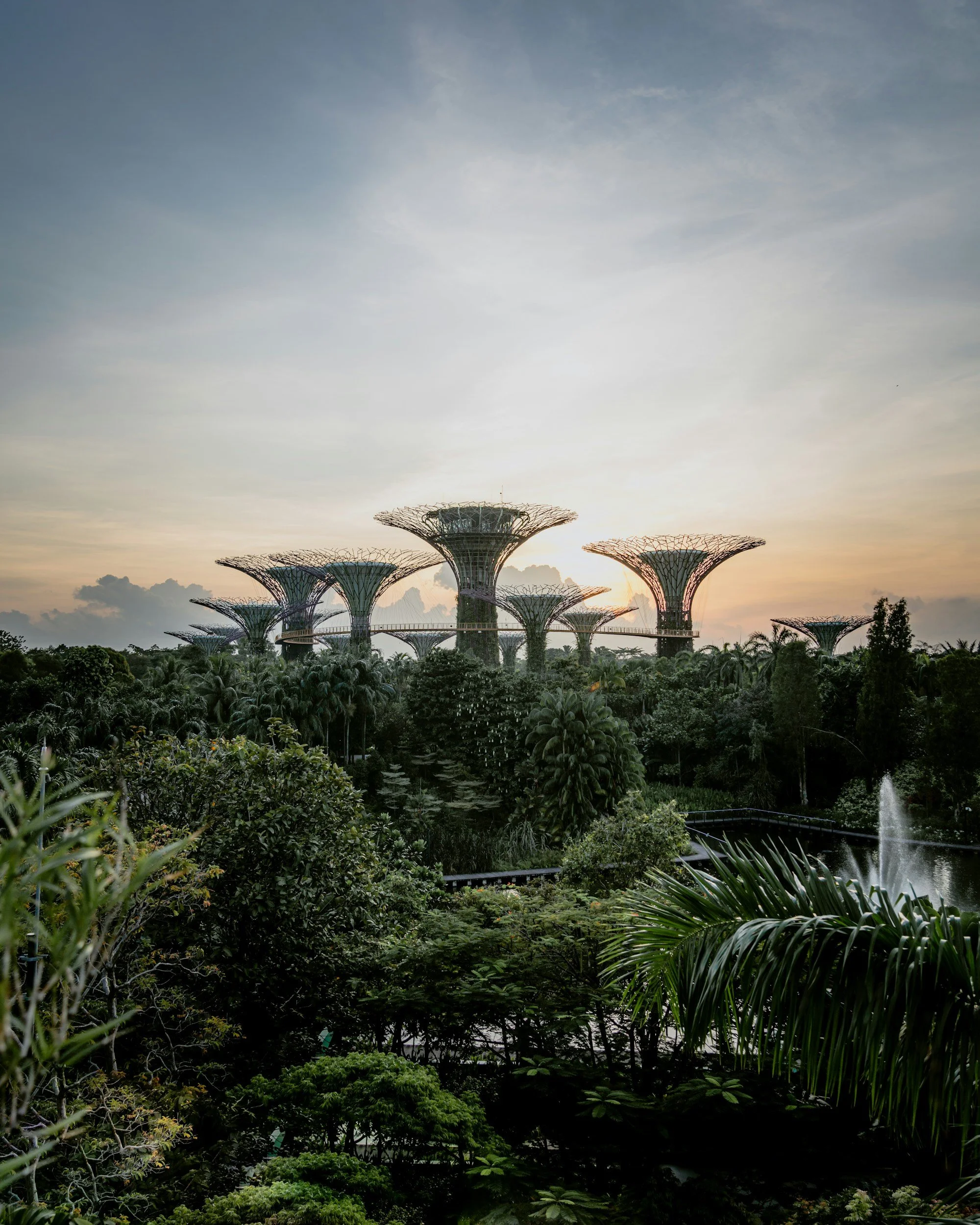
For many travelers, Singapore is simply a connection point.
It's where you spend one night before boarding a cruise, heading to Bali, or flying home from Southeast Asia. The assumption is often the same: there's not enough to do to justify staying longer.
After spending three nights in Singapore following a trip to Malaysia, I can confidently say that's a mistake.
Back in 2019, I skipped Singapore entirely and chose a stopover in Seoul instead. This year, I finally made it a priority—not only because I wanted to experience the destination for myself, but because I wanted to better understand how Singapore fits into the types of trips I plan for clients.
What I discovered was a city that deserves far more than a quick overnight stay.
"Singapore Is Boring"
One local actually said this to me. He complained about the rules, the fines, and how orderly everything feels.
And while Singapore is undoubtedly one of the cleanest and most organized cities in the world, that doesn't make it boring.
Before arriving, fellow travel advisors had given me pages of restaurant recommendations, cocktail bars, neighborhoods, shopping districts, and hidden gems. Once I arrived, I quickly realized there was no way I could see everything in a few days.
Between the food culture, diverse neighborhoods, luxury hotels, rooftop bars, gardens, shopping, and world-class dining scene, I left feeling like I'd barely scratched the surface.
How Much Time Do You Need?
If you're visiting Singapore as part of a larger Southeast Asia itinerary, I recommend staying at least three nights.
Three nights typically translates to two full days in destination, which feels like the minimum amount of time needed to experience Singapore beyond the highlights.
Could you see Marina Bay in one afternoon? Absolutely.
Would you actually experience Singapore? Not really.
The city's greatest strength isn't a single attraction. It's the combination of cultures, cuisines, neighborhoods, and experiences packed into a remarkably compact destination.
Where to Stay
For a first visit, I recommend staying in the Marina Bay or Central Business District area. You'll be within easy reach of the city's major attractions, dining districts, and waterfront promenades. I personally stayed at the Mandarin Oriental and loved both the location and service.
One non-negotiable: book a hotel with a pool.
Singapore is hot and humid year-round. Having a comfortable place to cool off in the afternoon makes a significant difference (and is a good way to rest when not exploring).
How I'd Spend Three Nights in Singapore
Day One: Get Oriented
Schedule a walking tour for your first evening. Not only will temperatures be more comfortable, but Singapore truly comes alive after sunset. The skyline lights up, hawker centers fill with locals, and the city feels more energetic.
I booked a private experience through Tours by Locals and spent three hours exploring with a guide. Because the tour was customized, we focused on local food, neighborhood history, and hawker culture.
We visited several hawker centers before ending at Maxwell Food Centre, and it ended up being one of my favorite experiences of the trip. The hawker culture is so important to Singapore's identity that it has been recognized by UNESCO. If you're visiting Singapore, this is not something to skip.
Day Two: The Icons
Today is for the Singapore you've seen in photos.
Start at Gardens by the Bay: While much of the gardens are free to explore, you'll need tickets for attractions like the Cloud Forest, Flower Dome, and OCBC Skyway. If you're visiting the conservatories, go early in the morning to avoid crowds. If you're interested in the famous light show, return in the evening.
Next, head to Marina Bay Sands. Most visitors come for the rooftop views, and you have two options: purchase access to the observation deck or enjoy the view from CÉ LA VI. Either way, sunset is spectacular.
One attraction I'd personally skip: The famous Singapore Sling at the Long Bar inside Raffles Hotel. While it's certainly iconic, it felt crowded, tourist-focused, and overpriced. Instead, I'd suggest stopping by the Writers Bar or exploring one of Singapore's excellent cocktail bars (reservations recommended).
Day Three: Explore Beyond Marina Bay
This is where Singapore becomes most interesting.
If shopping is your thing, spend time on Orchard Road.
Otherwise, use the day to explore some of Singapore's distinct neighborhoods:
Kampong Glam
Tiong Bahru
Little India
Joo Chiat and Katong
In Joo Chiat, you'll find the colorful Peranakan shophouses that have become one of Singapore's most recognizable images. In Tiong Bahru, you'll discover a blend of heritage architecture, independent boutiques, and trendy cafés. These neighborhoods reveal Singapore's multicultural identity in a way the major tourist attractions cannot.
For your final evening, head toward Chinatown and nearby Amoy Street. The area is packed with excellent restaurants, wine bars, cocktail lounges, and Michelin-recognized dining options. One standout is Native, a cocktail bar that creates drinks using ingredients sourced exclusively from across Asia. It feels local, creative, and distinctly Singaporean.
Final Thoughts
The biggest surprise about Singapore wasn't any specific attraction, it was how much variety existed within such a small city.
In just a few days, you can experience Chinese, Malay, Indian, and Peranakan influences; dine at hawker stalls and Michelin-starred restaurants; explore modern architecture and historic neighborhoods; and enjoy some of the best luxury hotels in Asia.
That's why Singapore deserves more than a stopover. Three nights won't let you see everything—but it will convince you to come back.