
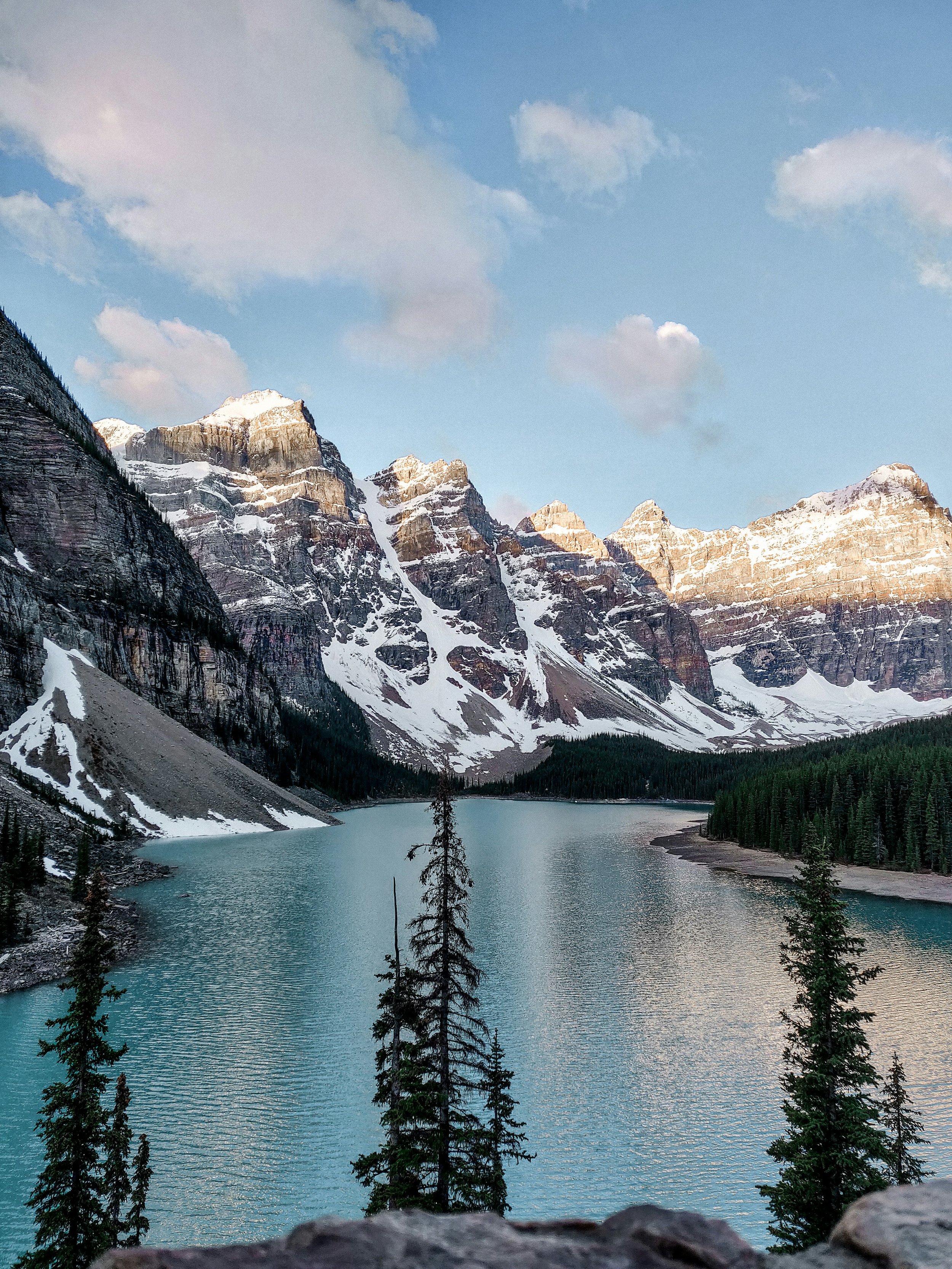
A few days before my clients were due to explore Jasper, the news started coming in. Wildfires were burning across the region. Roads were closing, the sky was turning a hazy orange, and the trip they had been dreaming about for months suddenly had a very large question mark hanging over it.
This is the moment every traveler dreads. It's also the moment I'd argue defines what luxury travel really means today.
Because my clients didn't spend that week on hold with an airline or refreshing a booking app at midnight. They got a message from me with a new plan already in motion. And their trip? It didn't fall apart. It simply changed shape.
Luxury used to mean more. Now it means easier.
For a long time, "luxury travel" meant a checklist: the suite with the view, the marble bathroom, the tasting menu everyone's talking about. Those things are still lovely. (I will never be against a deep soaking tub.) But for the busy professionals I work with, they've become the baseline, not the point.
What my clients ask for now is something harder to photograph: peace of mind. They want to know that if a flight is cancelled, a storm rolls in, or a region closes, someone has their back. They want options, not penalties. In a world where so much feels out of our control, the ability to adapt gracefully has become the most valuable amenity there is.
Flexibility is the new luxury. And it starts long before you pack.
Flexibility is built at the booking stage
Here's something most travelers learn the hard way: the rate that looks most attractive online is often the least forgiving. Prepaid, non-refundable rooms are fine until the day you need to change them, and then they're very expensive.
When I plan a trip, flexibility is part of the design from day one. That means:
Choosing rates with sensible cancellation windows, especially for the high-stakes parts of the trip.
Timing deposits and final payments so you aren't locked in earlier than you need to be.
Recommending the right travel insurance for your trip and your comfort level, before you need it, not after.
It also means booking through the right relationships. As a Virtuoso advisor, I can book many of the world's finest hotels with added perks for my clients, typically daily breakfast for two, a room upgrade when available, early check-in or late check-out when possible, and a property credit or special amenity. Those perks are wonderful. But the real advantage shows up when something goes wrong, because I'm not a confirmation number to these hotels. I'm a partner they know, and that makes all the difference when a change needs to happen quickly.
If you're planning something important in the year ahead, let's talk about building that flexibility in from the start.
The real-time pivot: Banff, Jasper and a change of plans
Back to my clients in the Canadian Rockies.
When it became clear the Jasper leg wasn't going to happen safely, I didn't wait for the situation to resolve itself. Within an afternoon, I had extended their stay in Banff and cancelled their tours and hotels in Jasper (all with flexible terms). I reworked the hotel bookings, moved their rental car schedule to match the new travel dates (slightly shorter), and rebuilt their touring days around Banff and Lake Louise.
While it wasn’t the exact itinerary they planned from the start, they were able to preserve the trip with their sons before both boys headed off to college.
The part I'm proudest of isn't the logistics. It's that my clients told me they never felt the stress of it. They knew there was a problem. They just didn't have to carry it.
Why a pivot needs a person
Technology is wonderful for booking a single hotel room. It is not wonderful at rebuilding a multi-stop itinerary while a situation unfolds in real time. A pivot like this takes a few things an app can't offer:
Relationships. When I call a hotel or on-site partner, I'm calling someone I know. That's how a sold-out week suddenly finds a room.
VIP airport service. If flights shift, meet-and-assist service gets you through arrivals or departures smoothly, so a rebooked flight doesn't become a rushed connection.
Private touring, rebuilt around you. When the map changes, we rebuild a custom itinerary for the new route, with partners who know how to make a Plan B feel like Plan A.
And one point of contact holding it all together. Not five companies who don't talk to each other. One person who knows your trip, your preferences, and how you like your coffee.
That's the quiet value of working with an advisor. If you'd like someone in your corner for your next trip, I'd love to hear what you're planning.
How to travel with flexibility built in
Whether or not we work together, a few principles will serve you well:
Book flexibly where it matters most. You don't need refundable everything. You need it on the pieces that would hurt most to lose.
Leave breathing room. An itinerary packed to the minute has no room to adapt. A little white space is a feature, not a flaw.
Know who you'll call. Before you leave, know exactly who will help if plans change. If the answer is "a hold queue," let's fix that.
Luxury is a calm mind
When I think back to that trip, what stays with me isn't the scramble behind the scenes. It's my clients' message when they returned that they loved the trip they had as a family in a beautiful destination.
That's what luxury looks like now. Not just a beautiful room, but the confidence that whatever happens, it's handled.
If you're ready to plan a trip with that kind of ease built in, schedule a consultation with me. I'll take care of the details, including the ones you hope you'll never need.