
One Country or Three? How to Decide When Planning Your Europe Trip
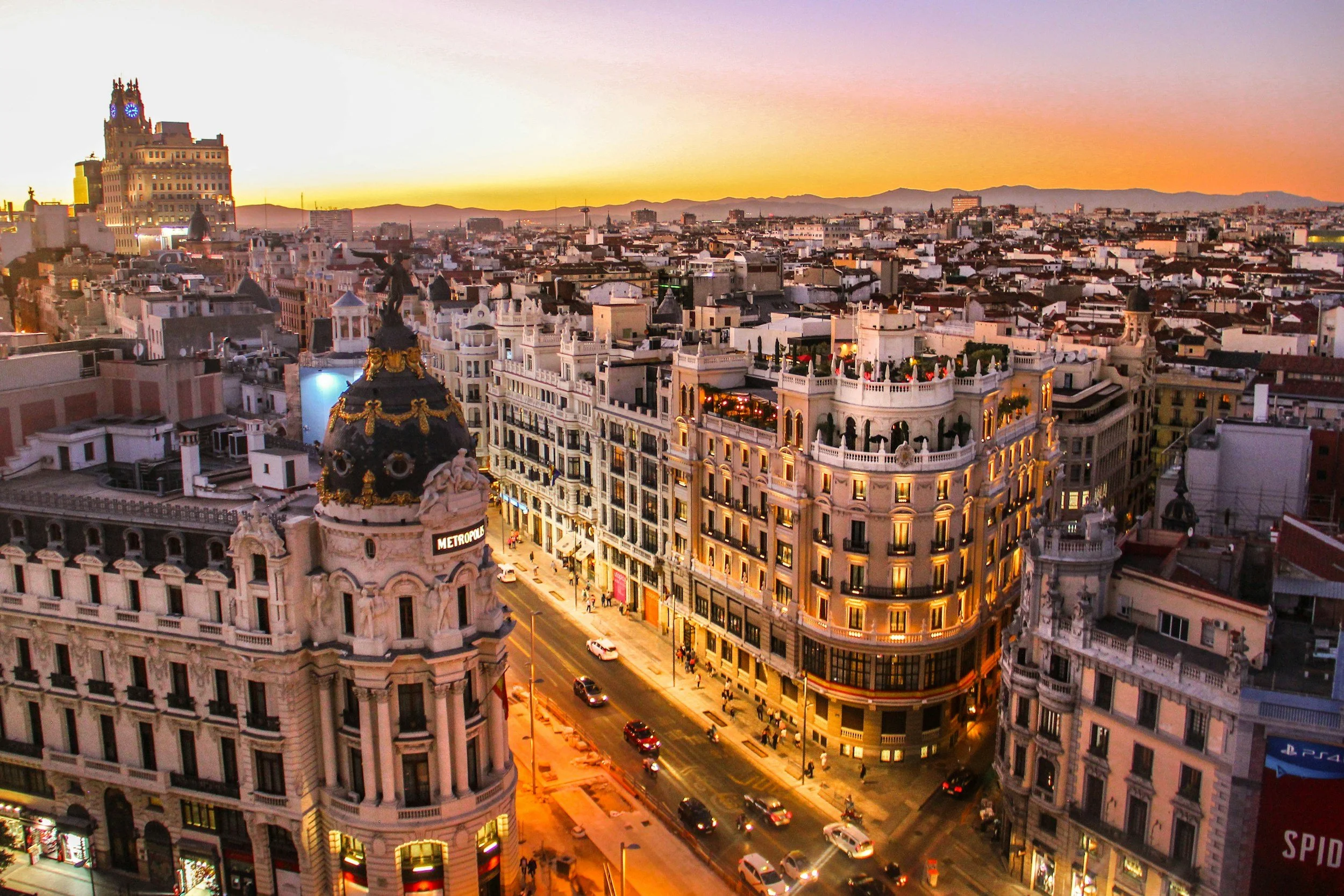
Madrid is an excellent city - don’t rush your visit there
When planning a trip to Europe, there’s one question that quietly shapes everything: Should you focus on one country—or try to see a few?
On paper, the idea of hopping between multiple countries sounds efficient. Paris, Rome, Barcelona… why not fit them all in?
In reality, this is where many trips go sideways.
Because the best European trips aren’t the ones where you see the most—they’re the ones where you feel the most.
The Case for One Country (or One Region)
If your goal is to truly relax, immerse yourself, and experience a destination beyond the highlights, staying within one country is often the better choice.
Imagine spending your mornings wandering through a local market in Tuscany, afternoons at a vineyard, and evenings lingering over dinner without checking your watch.
That kind of experience doesn’t happen when you’re constantly moving.
A one-country trip allows for:
Fewer hotel changes
More meaningful experiences
Time to actually enjoy where you are
When Two or Three Countries Make Sense
There are times when a multi-country trip works beautifully.
If you’re looking for contrast—say, pairing Berlin with Prague, or combining Italy and Switzerland—you can absolutely design a seamless itinerary. Similarly, depending on where you are going in Europe, two country travel can be quite efficient and close (the key is knowing your geography!).
A well-designed multi-country trip doesn’t feel rushed. It flows naturally, with logical routing and enough time in each destination to enjoy it.
What Should Actually Drive the Decision
This isn’t just about preference—it’s about strategy.
A few factors matter more than anything else:
How long you have:
7–10 days? Stay focused.
12–14 days? You have more flexibility.Your travel style:
Do you like slow mornings and long dinners—or are you energized by movement?Logistics:
Not all destinations connect easily. A beautiful itinerary on a map can become exhausting in reality. (This may be the most important thing to keep in mind!)What you care about most:
Food, culture, scenery, relaxation—these should guide your choices.
A Quick Reality Check
Let’s say you have 10 days. You could do: Barcelona, Nice, and Rome. But what that often looks like in practice is multiple airports, packing every few days, and feeling like you’re always in transit.
Now compare that to: Rome, Tuscany, and Florence. Same timeframe—completely different experience with short distances between locations reachable by car or train. We can even design activities that take you between locations, like wine tasting in Tuscany, so the travel becomes a bit more fun.
The most memorable European trips aren’t measured by how many cities you check off—they’re defined by how effortlessly everything comes together. And that’s where thoughtful planning makes all the difference.